
Live Dealer Baccarat for Australians Who Want Pace and Clarity

The first time I watched a live pit boss run a baccarat shoe in Macau, I noticed the room didn't care about the flashy table decor - it cared about pace, wheres-the-gold-free-pokies.com card integrity, and how quickly a player could read the rhythm and decide on the next hand. That same discipline now sits behind the best live dealer baccarat rooms in Australia, where the appeal is less about spectacle and more about predictable cadence, clear camera angles, and a flow that respects a player's time. If you're weighing whether a streamed shoe fits your routine, the answer usually comes down to how you handle uncertainty over a couple of hours rather than a single spin.
For a Melbourne session on a quiet arvo, the format rewards players who prefer a slower, more deliberate pace than a fast pokies floor. The croupier deals at a steady tempo, the shoe is visible from multiple angles, and the betting window closes with enough warning that you can adjust without rushing. That structure suits someone who wants to track patterns, manage a session budget, and step away without feeling hurried. It's not a game of hunches alone - it's a game of timing, and the live environment makes the timing visible rather than buried in software.
I've spent years building commercial partnerships where the product only scales when the user experience is consistent, and live dealer baccarat follows the same rule. The rooms that hold attention are the ones that standardise their table rules, keep the chat moderated without slowing the hand, and make the bet placement obvious on mobile. When those pieces are aligned, the format becomes a practical way to play baccarat with a human dealer instead of a random number generator, without pretending the edge disappears.
| Aspect | What it usually means | Why it matters |
|---|---|---|
| Table pace | Steady shoe turnover, visible cut-card timing | Helps players read rhythm and manage session length |
| Camera setup | Wide table view plus dealer close-up | Makes card placement and commission rules clearer |
| Bet limits | Tiered tables from low to higher stakes | Lets players match the table to their bankroll |
| Chat and cues | Moderated, timed to the deal cycle | Reduces distraction without hiding the action |
The compact identity of the format is straightforward: a streamed baccarat table with a real dealer, a shoe dealt from a shoe or auto-shuffler, and wagers placed through an on-screen panel. The distinguishing traits are the visible pace, the human cues around the cut card and commission, and the way the interface keeps the betting window consistent across devices. Everyday usability depends on whether the table rules are displayed plainly, whether the mobile layout doesn't crowd the wager buttons, and whether the dealer's actions line up with what the rules say. Overall fit is strongest for players who want a structured card game with a live feel, not a high-speed automated loop.
William Fisher, Commercial Director, Tasman Gaming Partners, puts the operator side plainly: "The revenue line in live dealer baccarat comes from table turnover and repeat session time, not from one-off excitement, so the product has to feel stable before it feels entertaining." That's a useful check for anyone choosing a room, because the tables that feel stable usually give you more room to think. Annika Edwards, Marketing Director, Kangaroo Point Analytics, adds a player-side caveat: "Players often tell us they value the visible rhythm of the shoe, but they also need to know the table rules before they commit, because a small rule difference changes how the session feels." Both points land on the same idea: the format works when the rules and pace are easy to read before you place a wager.
For a player who wants a longer, more measured session, the fit is strongest on tables that keep the betting window consistent and show the commission and tie rules clearly. For a player who prefers shorter bursts, the format can still work if the table pace is steady and the limits match a smaller bankroll, though the live nature means you're still watching a full shoe rather than a single hand. For a player comparing this to other online card options, the live dealer angle is most relevant when you care about seeing the cards dealt in real time and hearing the dealer call the hand, rather than relying on a purely digital shuffle.Live Baccarat Con Neteller: Pagamenti, Tempi
If you're comparing how a live table handles withdrawals and payout timing across different payment methods, the practical detail sits in the payment flow rather than the table itself, and a related look at live baccarat with Neteller payouts lays out the timing and security questions you'd want answered before you commit. That kind of detail matters because the table experience and the payout experience are separate pieces of the same session, and a smooth table doesn't automatically mean a smooth withdrawal path.
Before you settle on a platform, it helps to confirm that the vendor supports the same streamlined withdrawal process you expect from a live table, since mixed payment paths can quickly complicate an otherwise smooth session. You can see how a dedicated gaming portal handles this balance by visiting play buffalo pokies, where the focus remains on clear payout timelines and reliable account security. Matching the table experience to the withdrawal experience ultimately comes down to testing the full flow upfront, so you can avoid surprises when it is time to cash out.
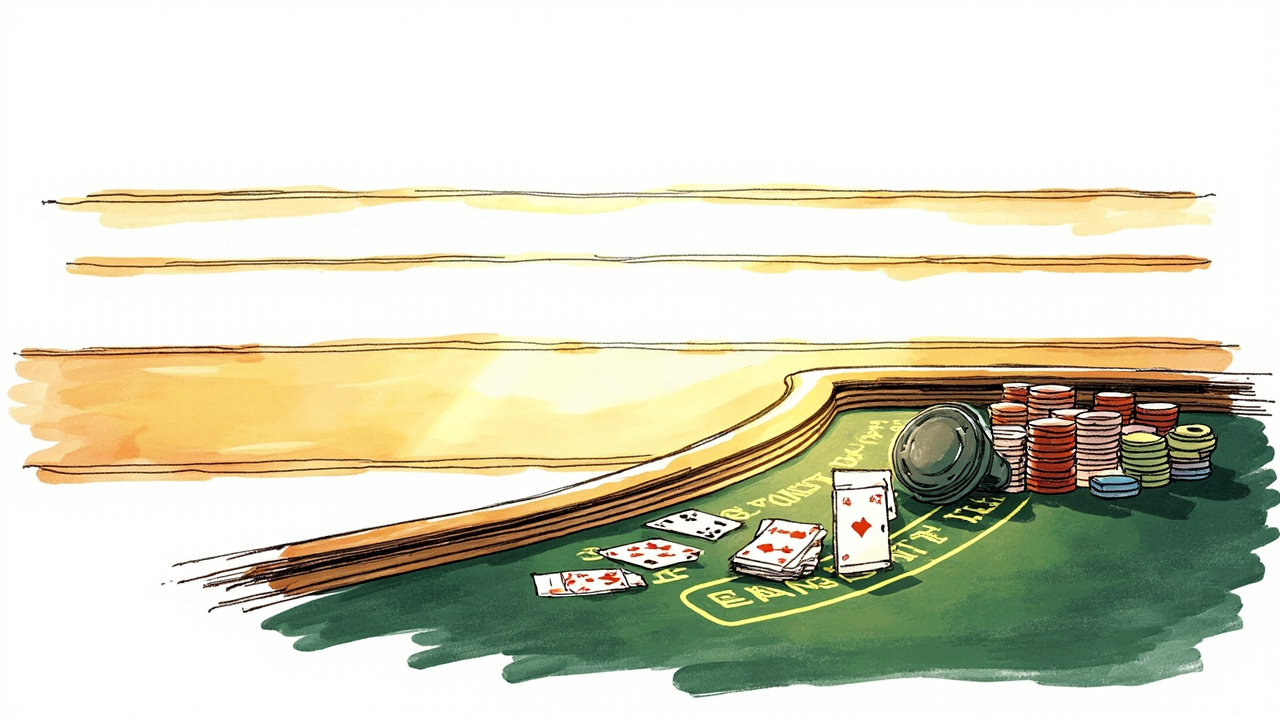
On the commercial side, the format only earns its place if the registration, mobile use, and support are consistent enough that you don't have to relearn the room each time. A sensible live dealer baccarat setup keeps registration short, asks for verification at the right moment rather than blocking the first bet, and lets you move between desktop and mobile without losing your table view. Support should be reachable without burying you in menus, and loyalty or rewards should be tied to session play in a way that's easy to understand rather than stacked with conditions you only notice later. The best rooms treat these as operational basics, because a table can look polished and still frustrate you if the payment or support layer is clunky.
For a Melbourne player logging on after work, the mobile fit is often the difference between a session that feels controlled and one that feels fiddly. A clean table view, wager buttons that don't shift when you rotate the phone, and a betting window that stays visible long enough to act are the practical details that matter more than any marketing promise. If the room also keeps its currencies and limits consistent, you can judge the session on the game itself instead of wrestling with the interface.
When you want to step away from the live table and switch to a different kind of session, you can always play buffalo pokies on a separate platform, but that's a different rhythm entirely and worth keeping distinct in your head. The point is simple: live dealer baccarat is one kind of session, and it's best judged on its own pace, rules, and table feel rather than being lumped in with faster, automated games.
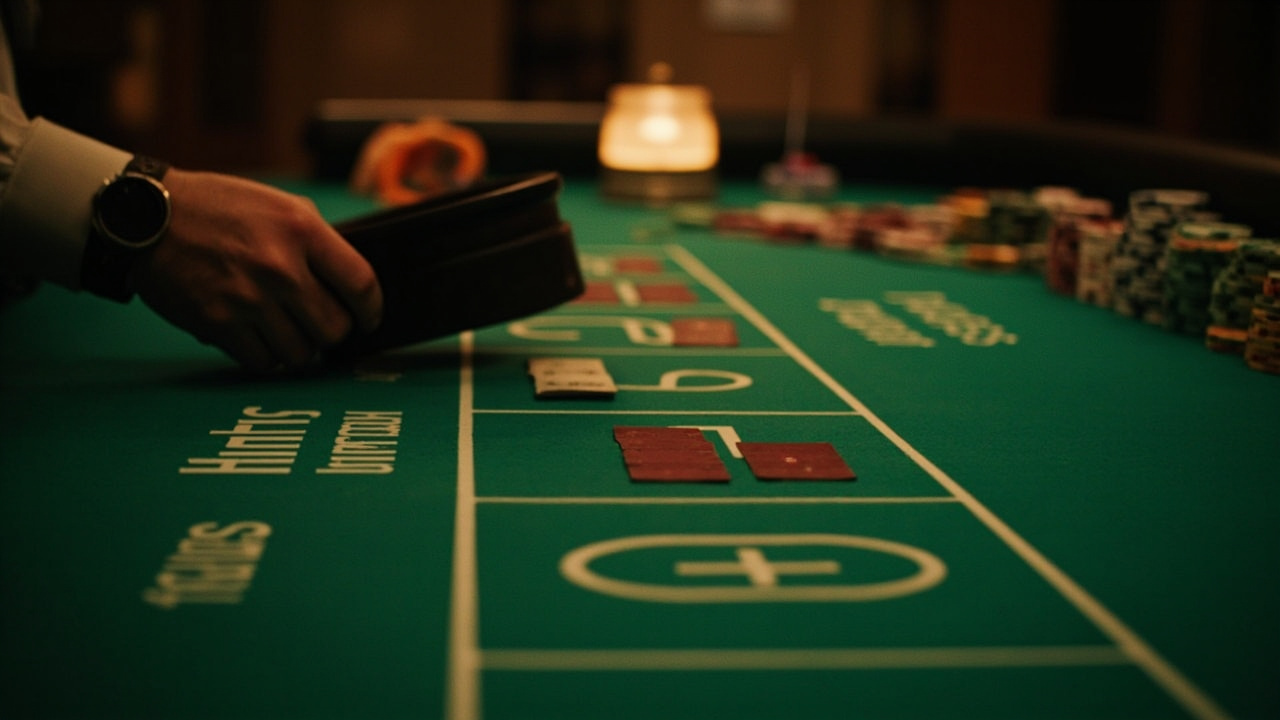
The format isn't a shortcut to better outcomes, and it doesn't remove the normal uncertainty that comes with any card game. What it does offer is a visible, human-paced way to play baccarat with the shoe, the dealer, and the betting window all in front of you. If that fits how you want to spend an evening, the room is worth judging on whether the pace feels steady, the rules are clear, and the mobile experience doesn't get in the way of the hand.
I keep coming back to that first Macau pit boss, because the room that worked wasn't the loudest one - it was the one where you could see the rhythm and decide whether you wanted to stay for the next shoe. That's the same question worth asking about any live dealer baccarat room in Australia: can you read the pace, understand the rules, and play at a speed that suits you, or are you just watching the spectacle while the hand moves on without you?